options
 hide options panel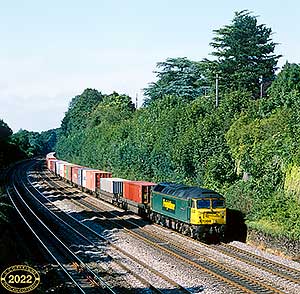
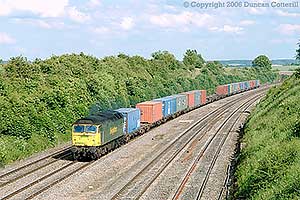
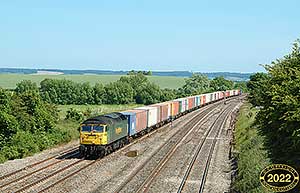
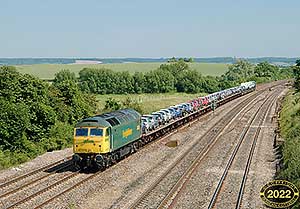
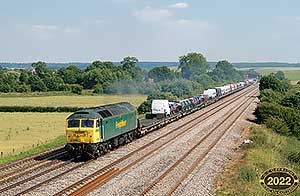
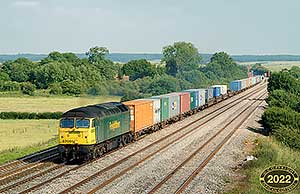
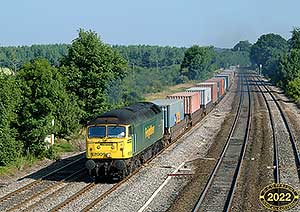
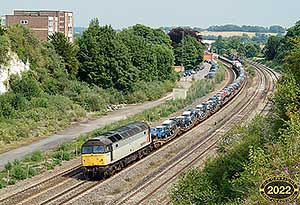
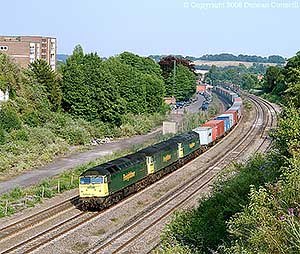
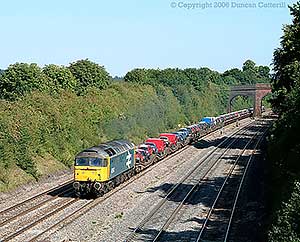
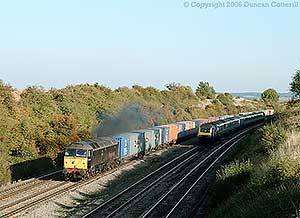
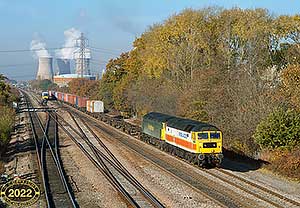
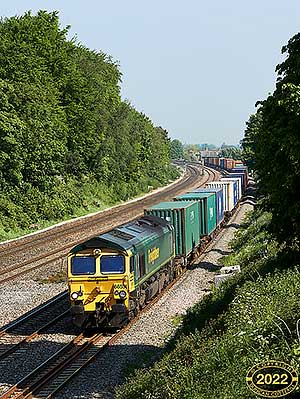
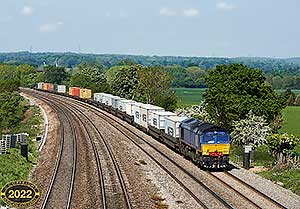
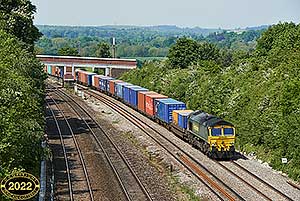
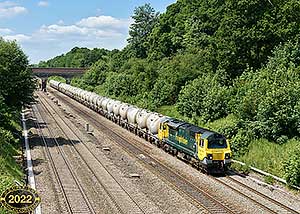
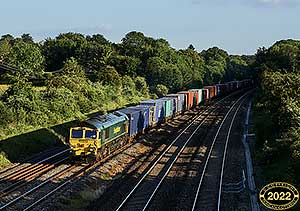
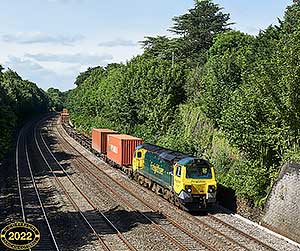
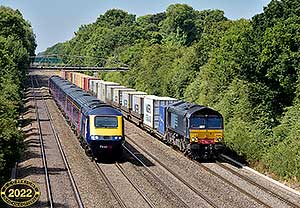
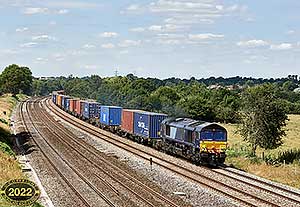
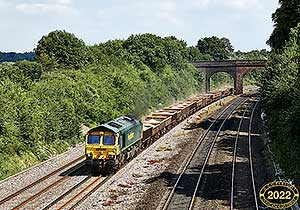
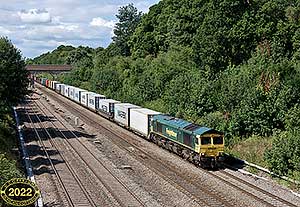
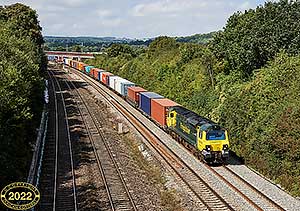
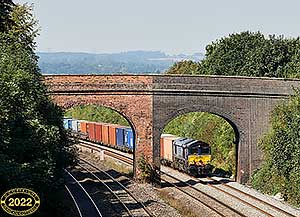
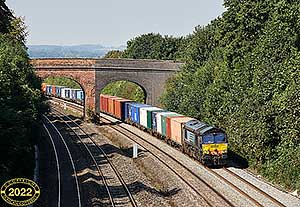
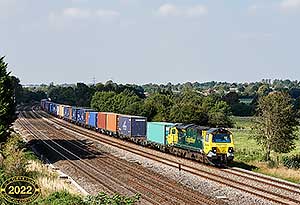
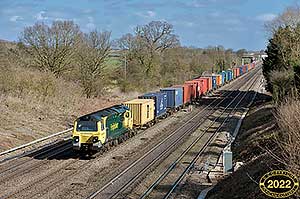
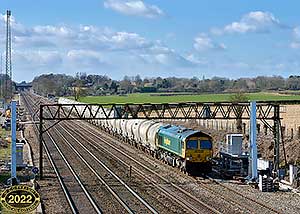
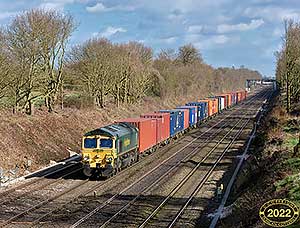
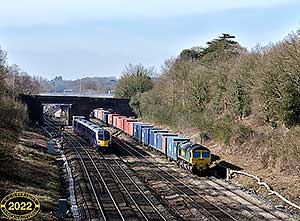
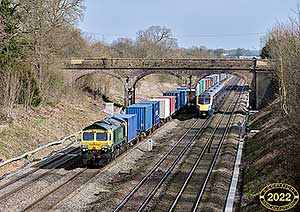
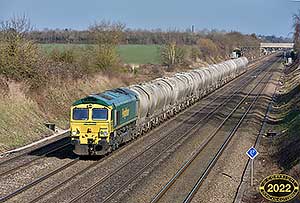
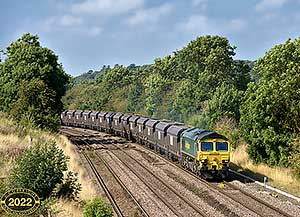
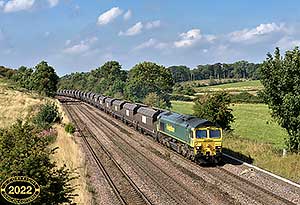
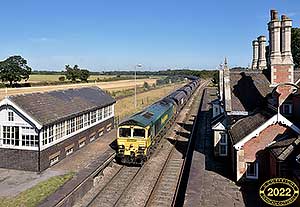
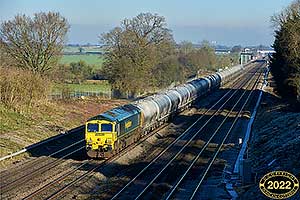
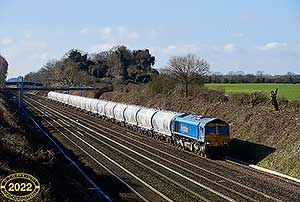
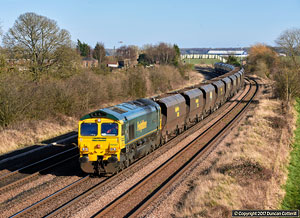
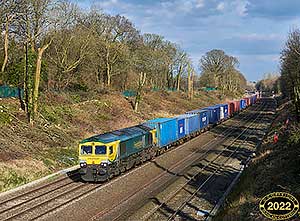
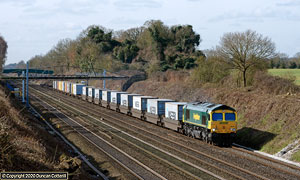
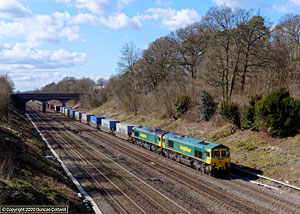
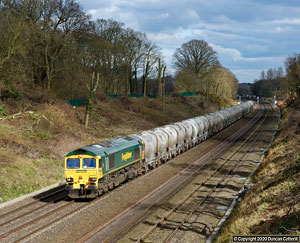
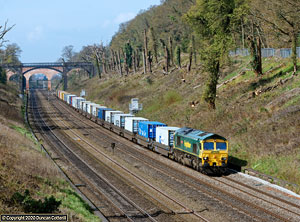
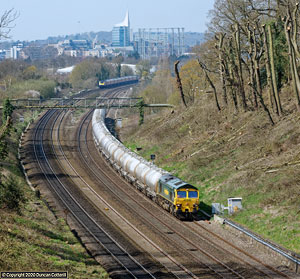
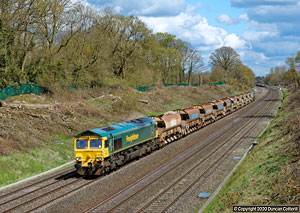
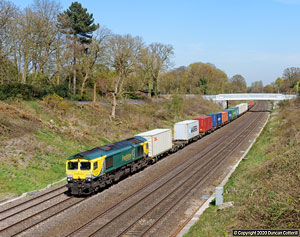
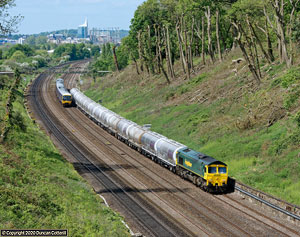
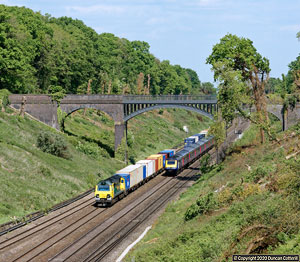
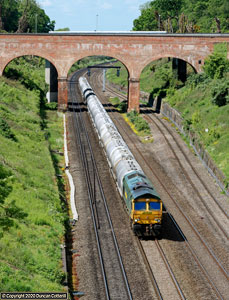
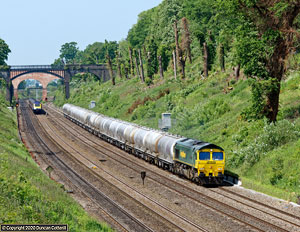
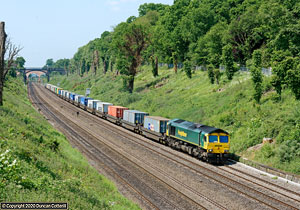
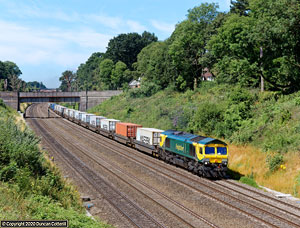
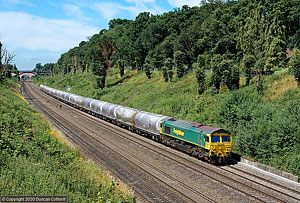
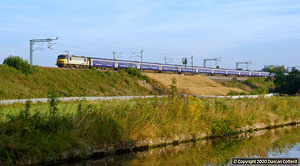
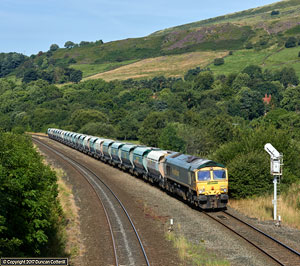
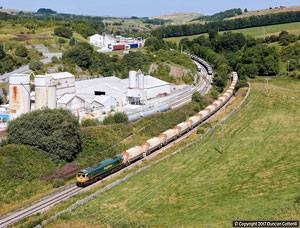
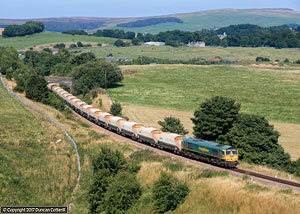
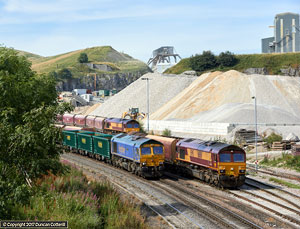
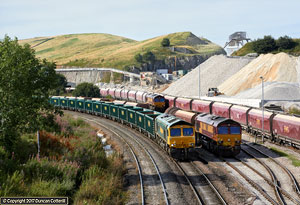
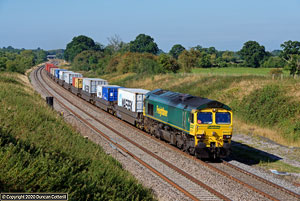
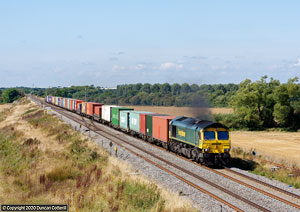
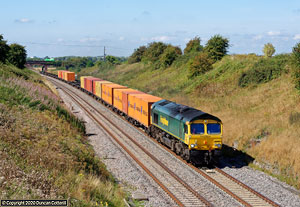
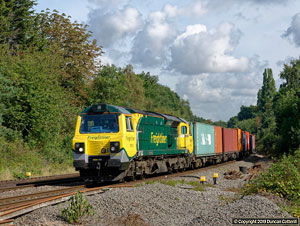
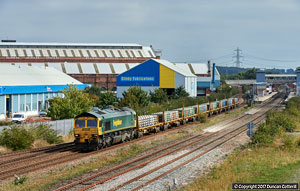
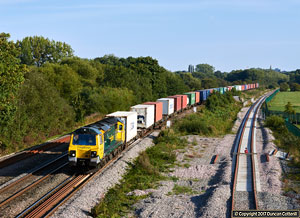
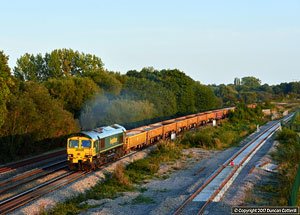
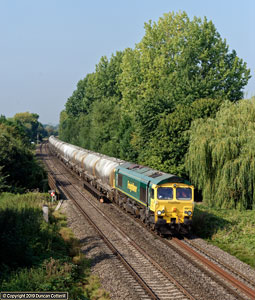
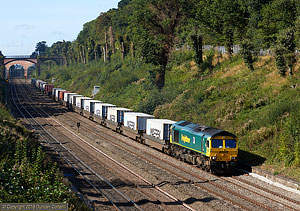
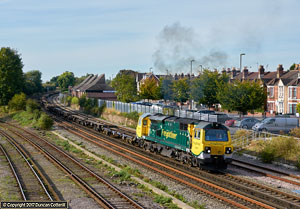
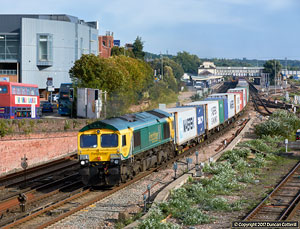
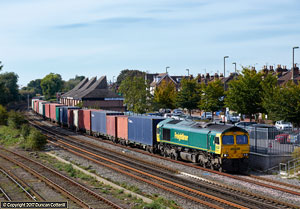
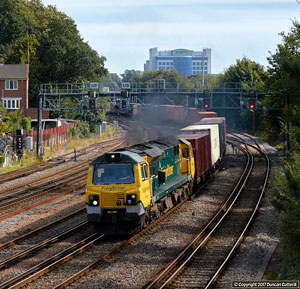
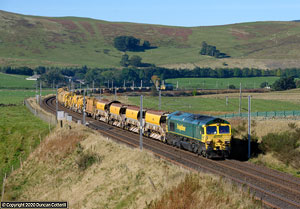
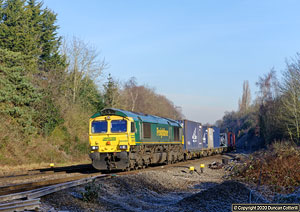
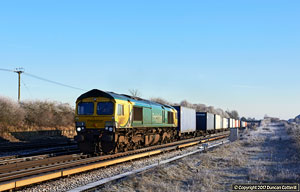
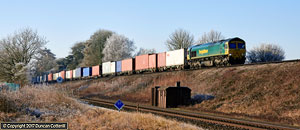
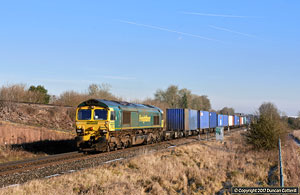
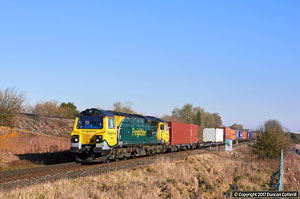
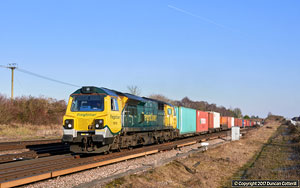
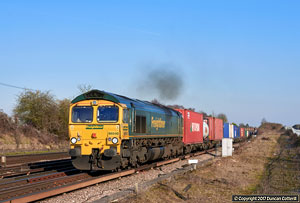
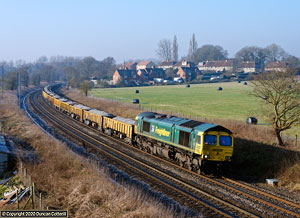
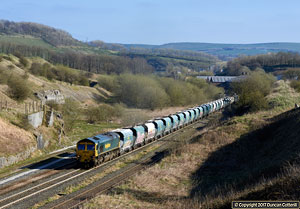
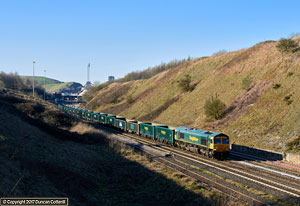
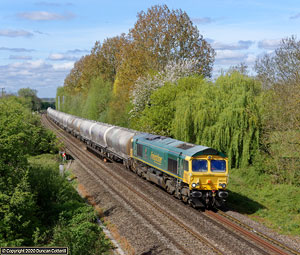
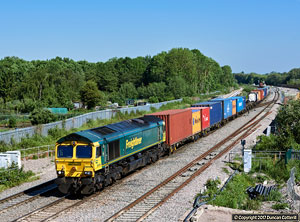
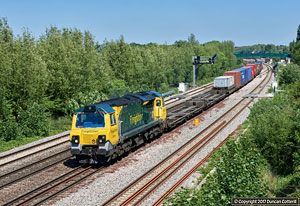
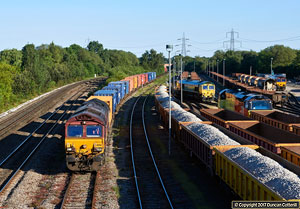
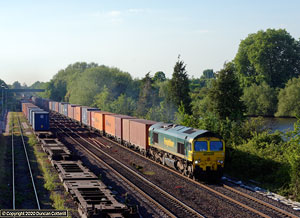
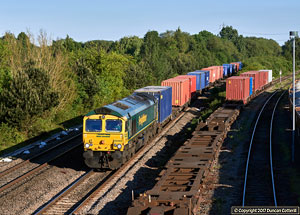
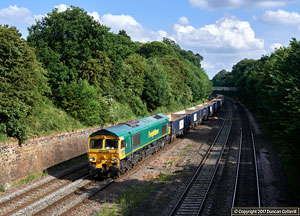
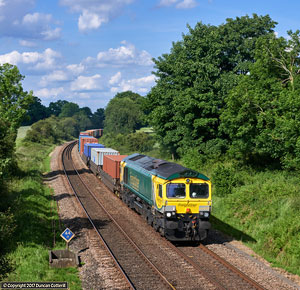
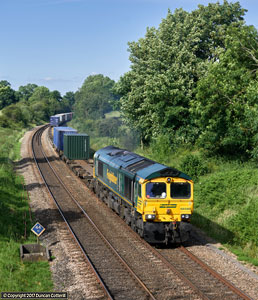
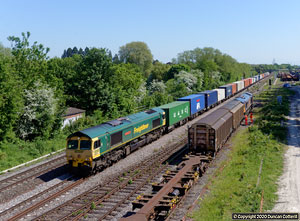
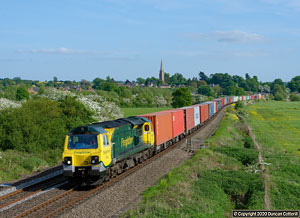
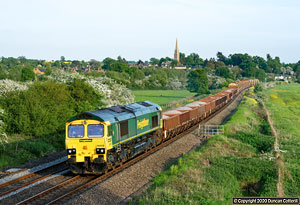
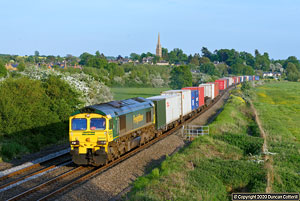
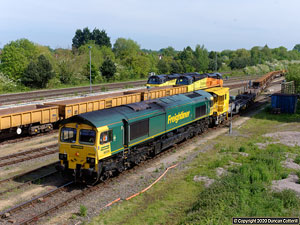
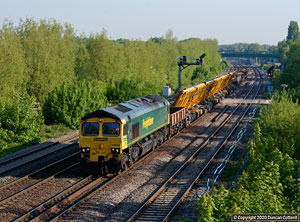
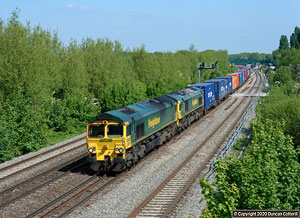
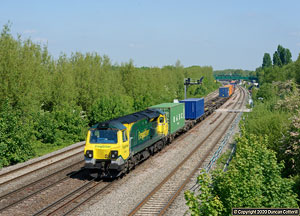
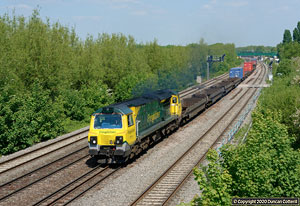
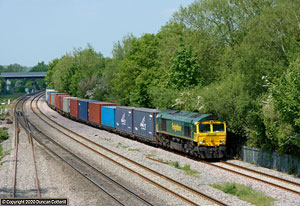
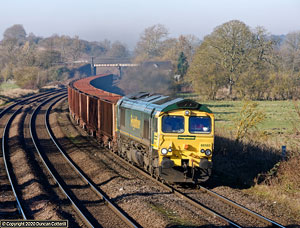
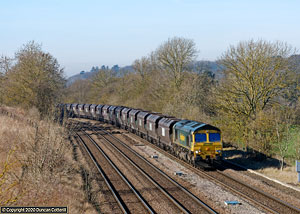
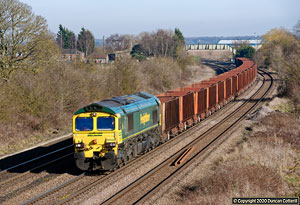
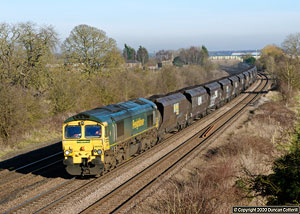
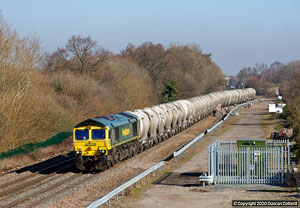
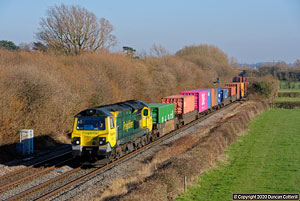
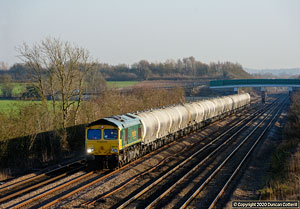
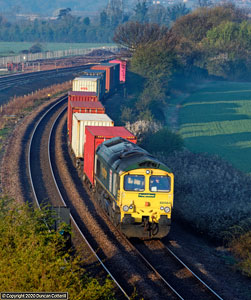
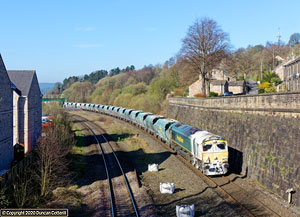
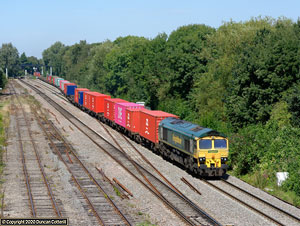
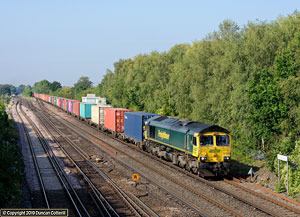
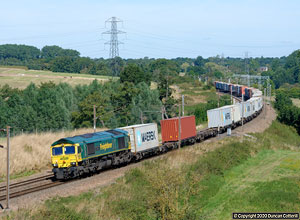
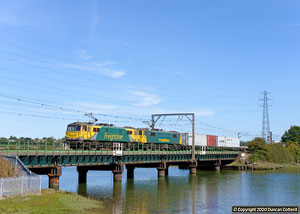
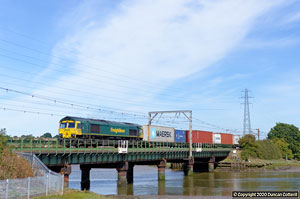
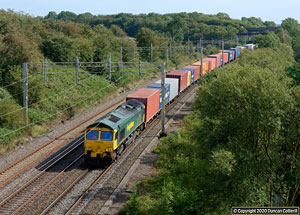
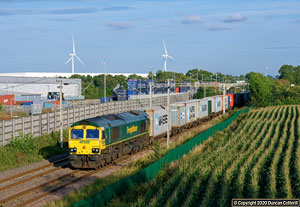
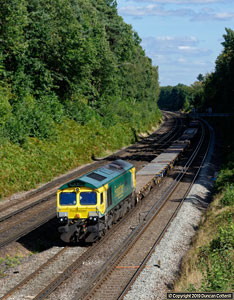
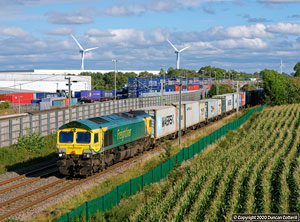
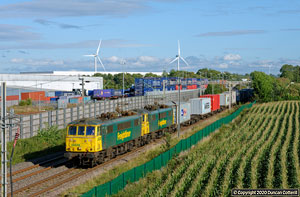
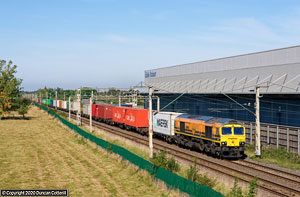
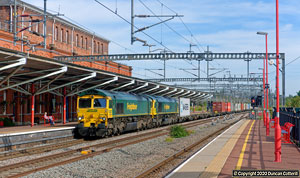
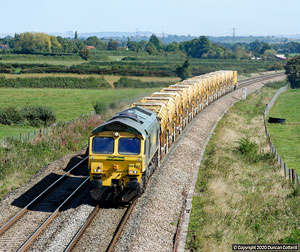
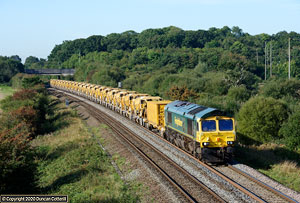
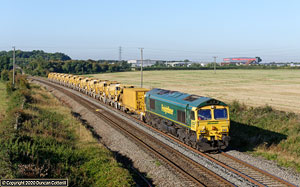
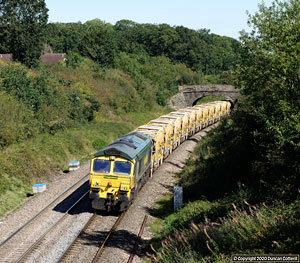
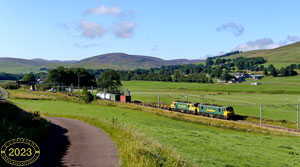
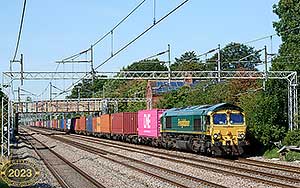
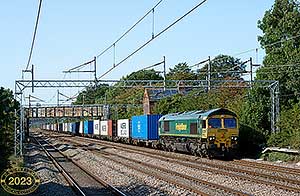
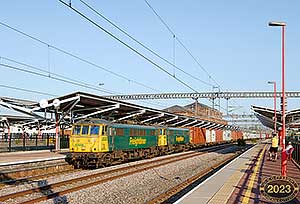
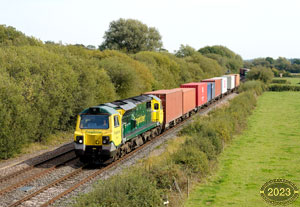
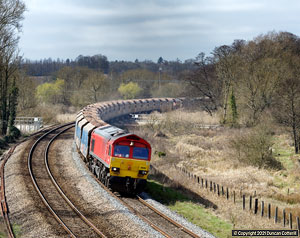
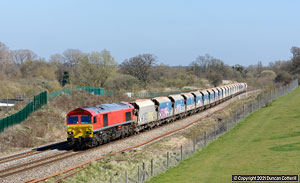
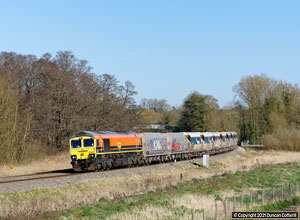
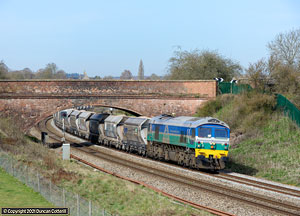
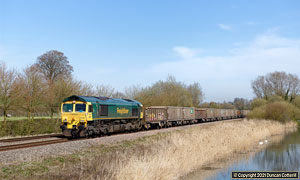
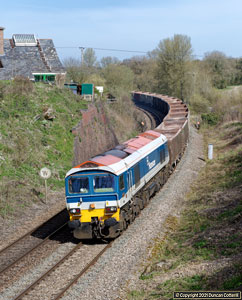
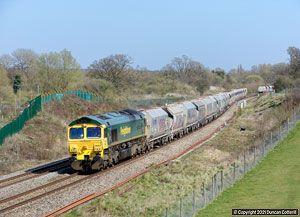
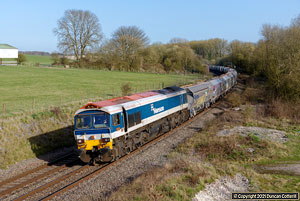
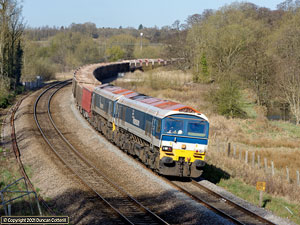
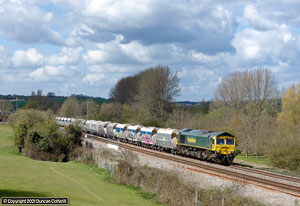
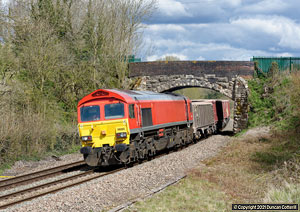
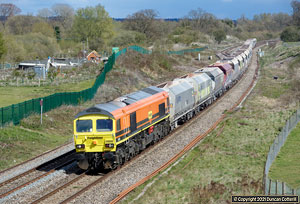
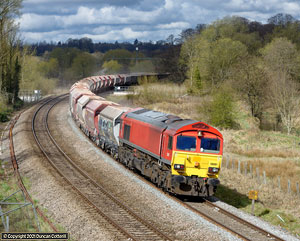
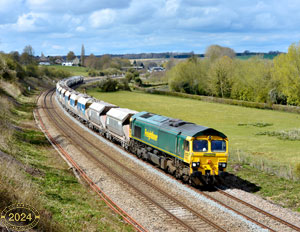
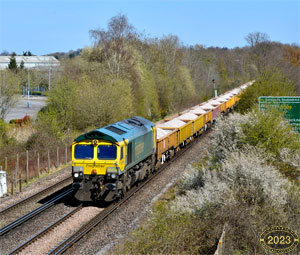
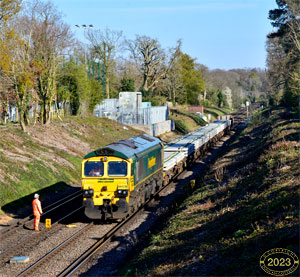
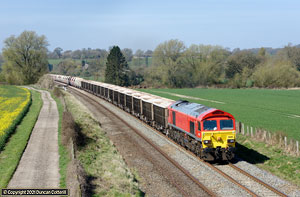
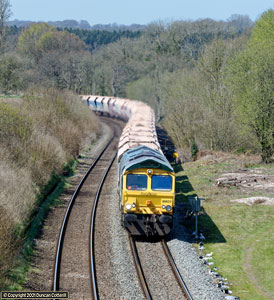
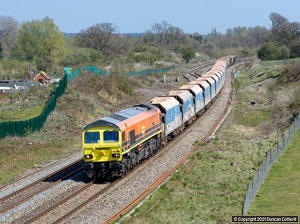
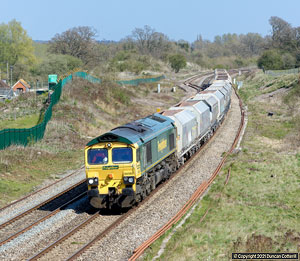
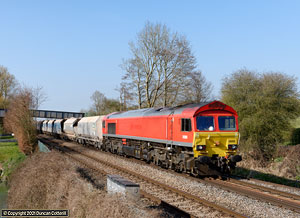
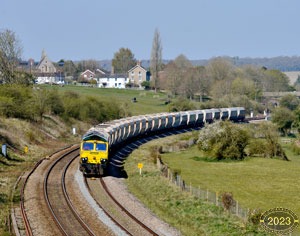
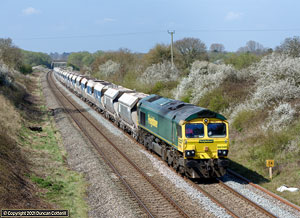
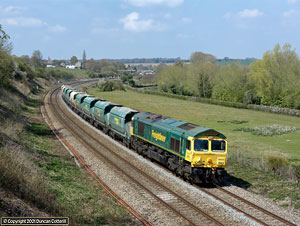
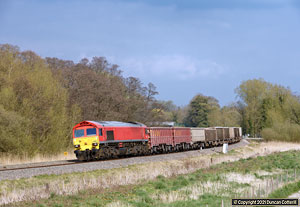
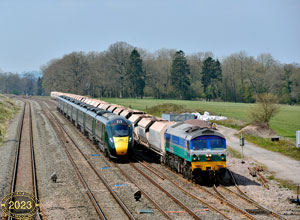
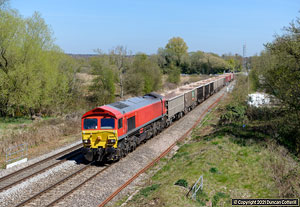
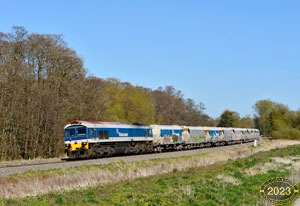
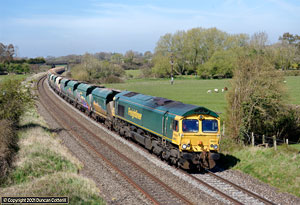
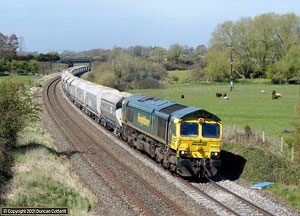
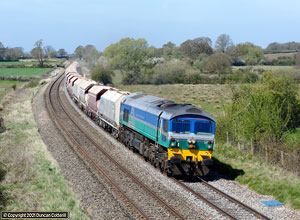
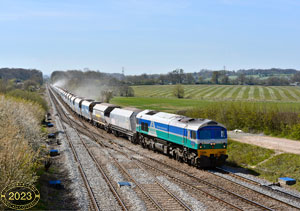
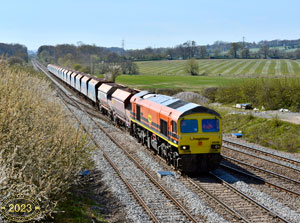
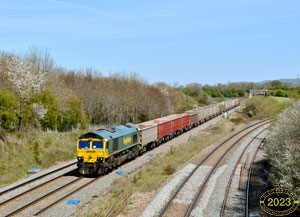
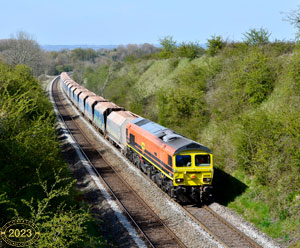
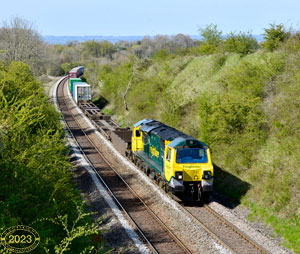
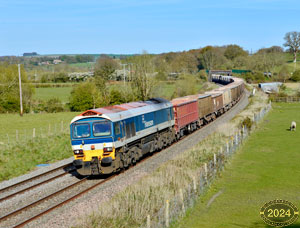
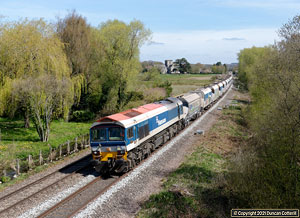
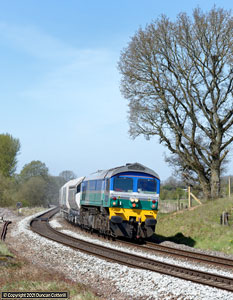
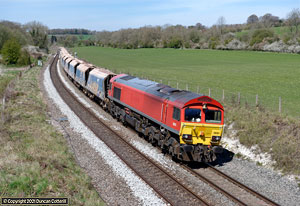
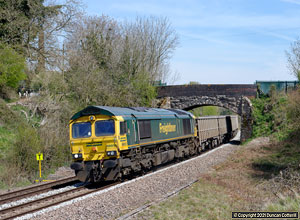
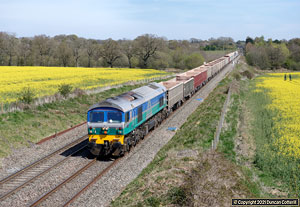
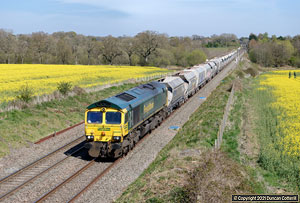
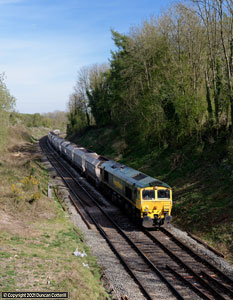
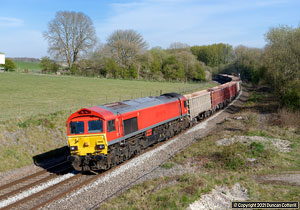
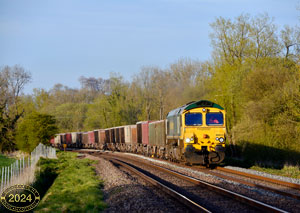
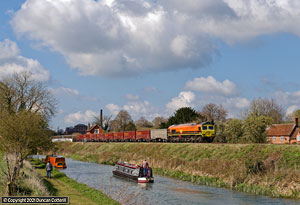
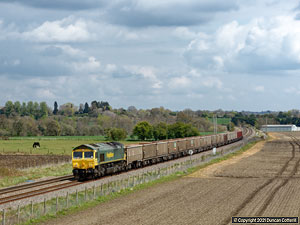
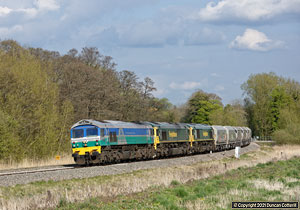
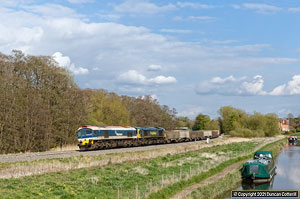
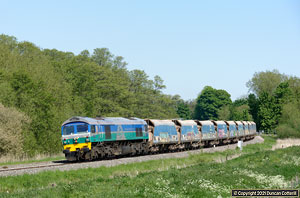
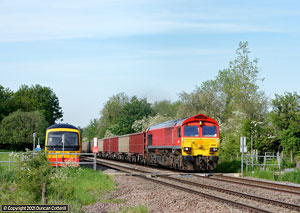
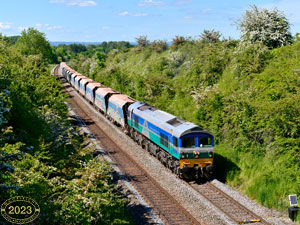
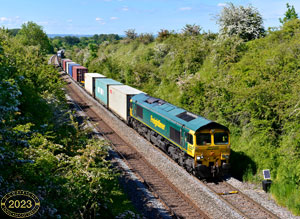
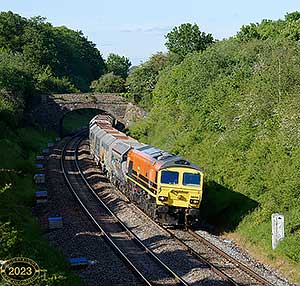
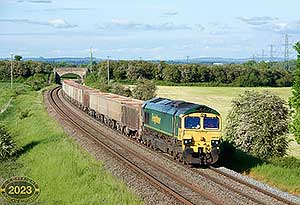
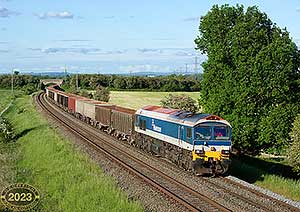
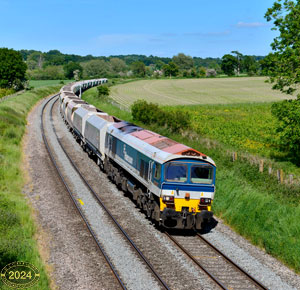
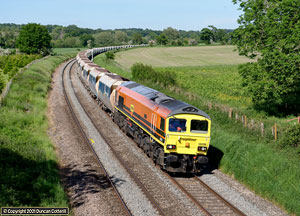
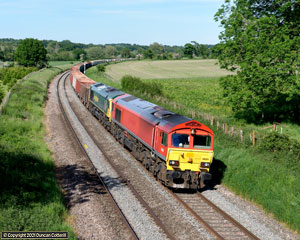
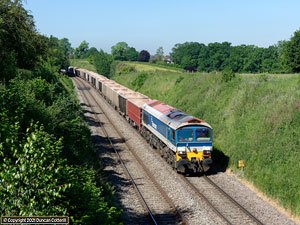
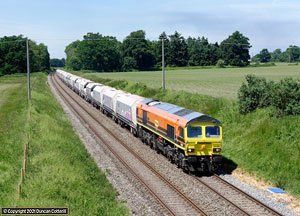
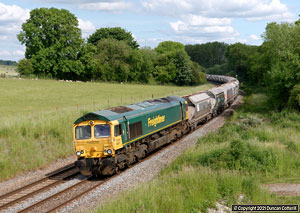
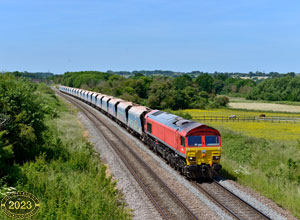
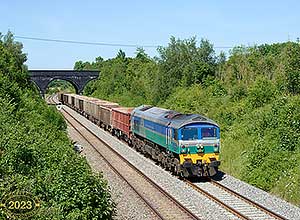
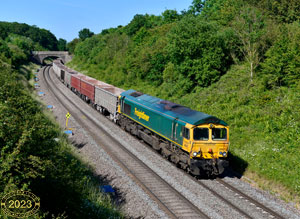
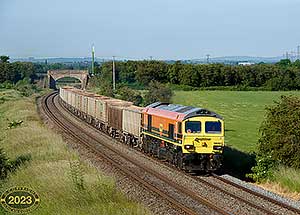
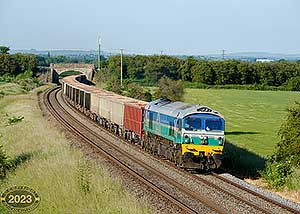
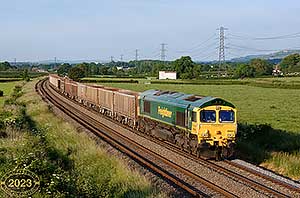
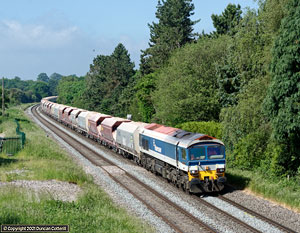
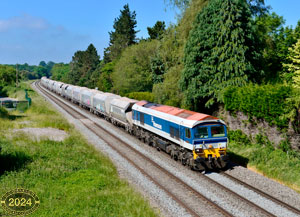
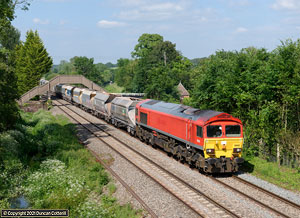
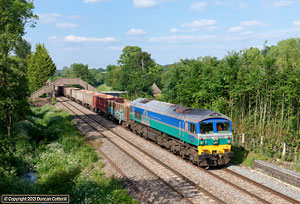
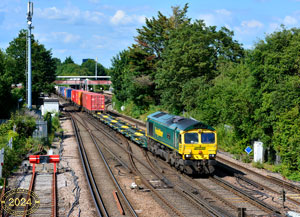
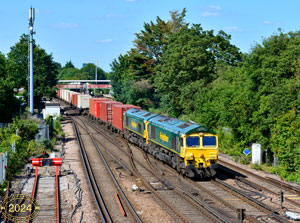
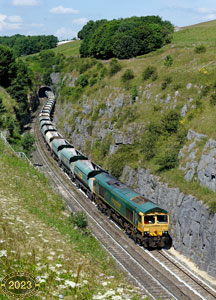
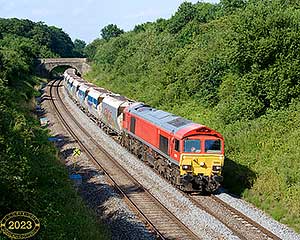
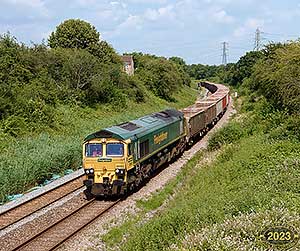
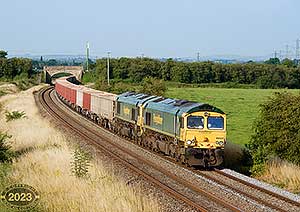
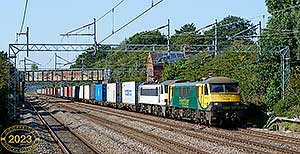
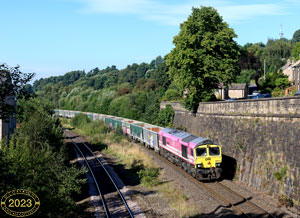
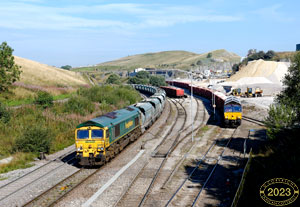
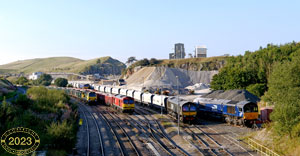
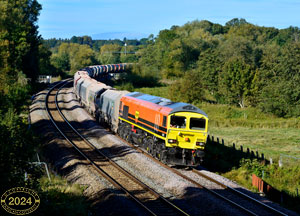
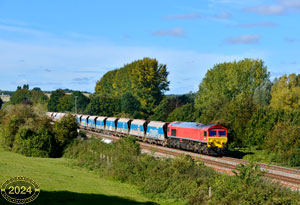
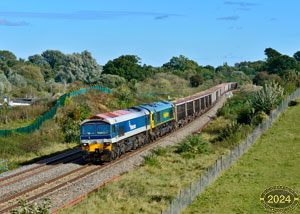
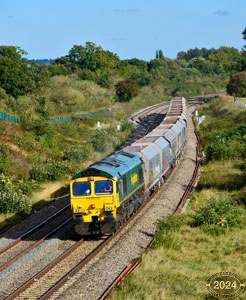
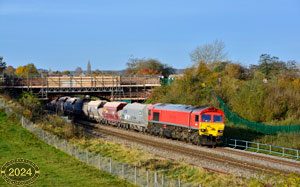
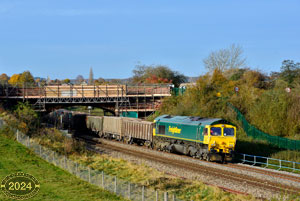
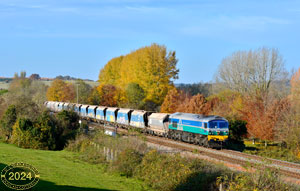
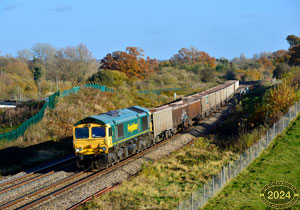
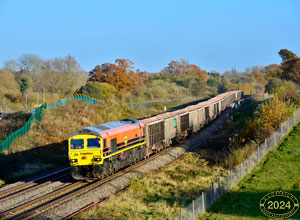
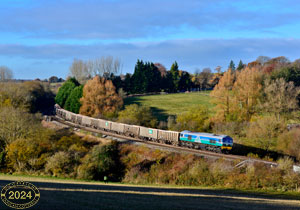
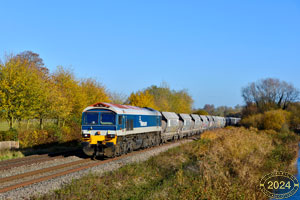
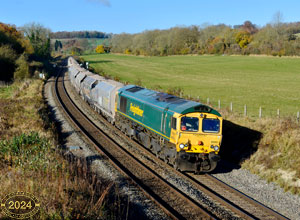
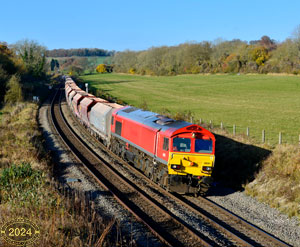
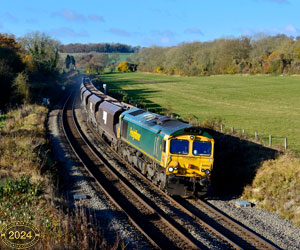
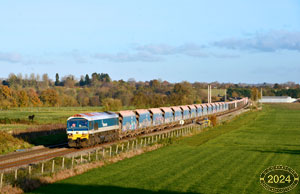
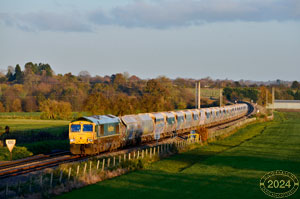
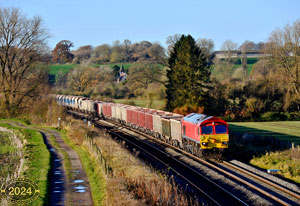
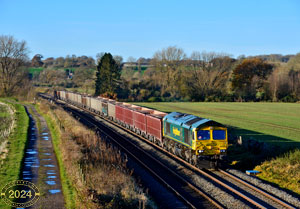
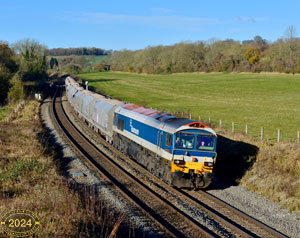
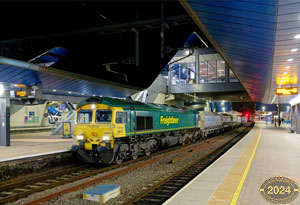
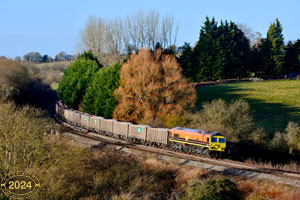
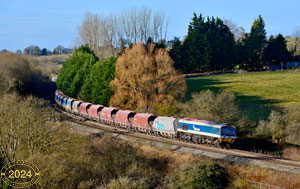
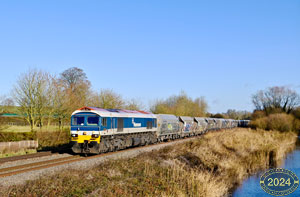
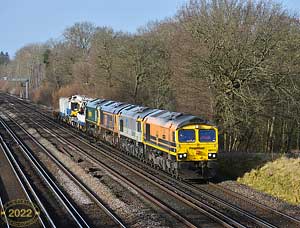
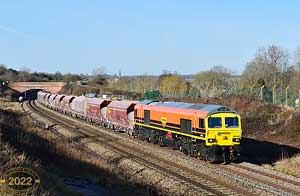
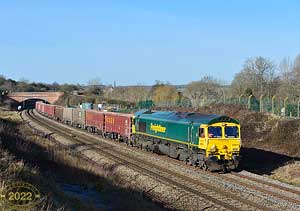
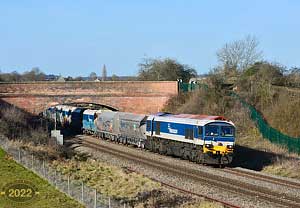
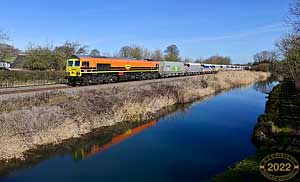
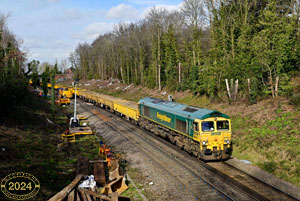
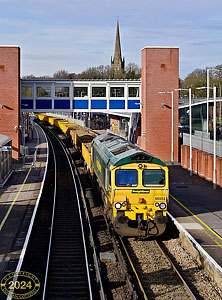
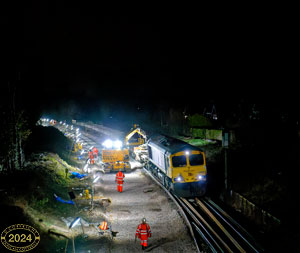
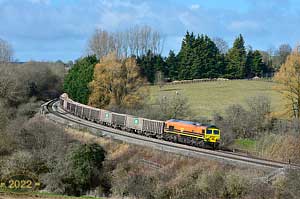
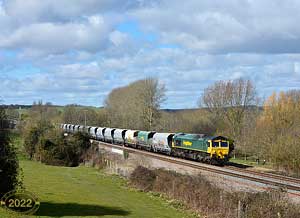
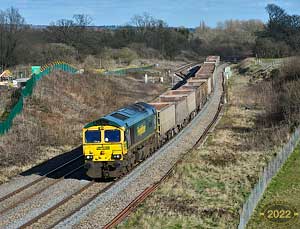
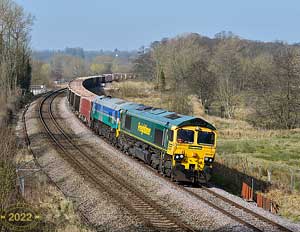
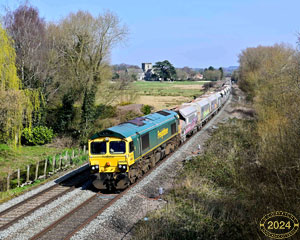
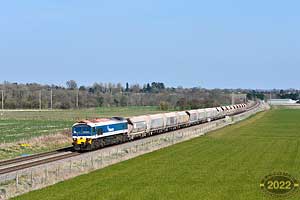
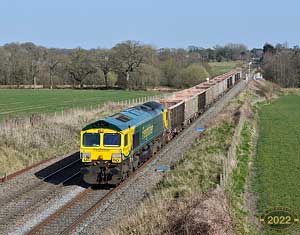
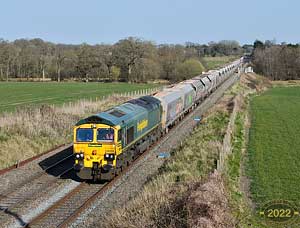
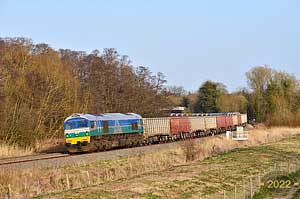
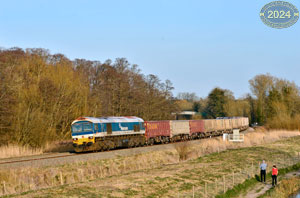
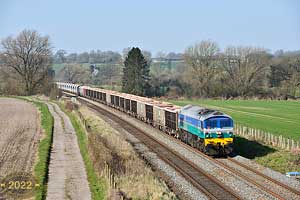
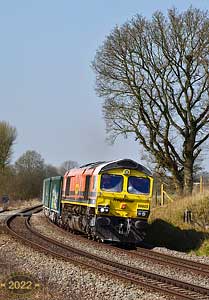
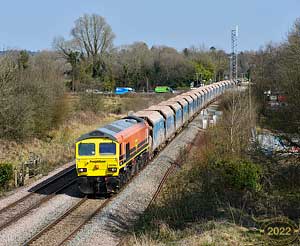
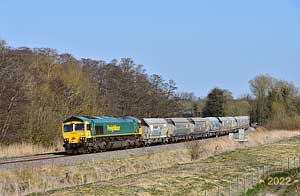
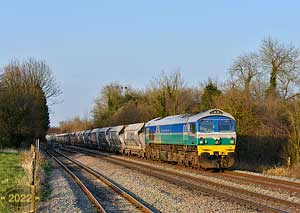
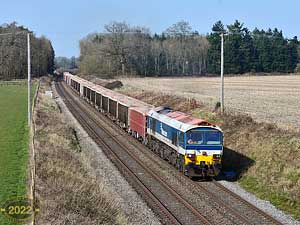
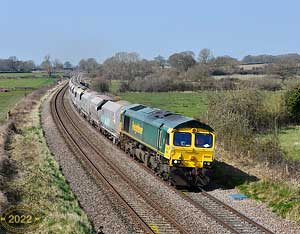
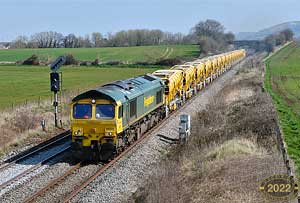
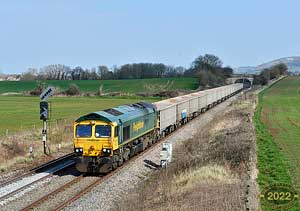
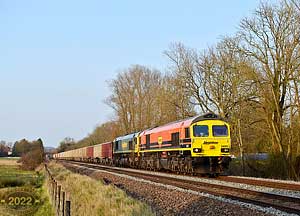
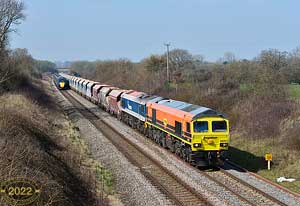
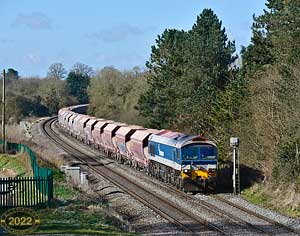
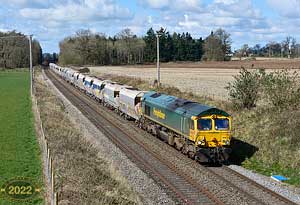
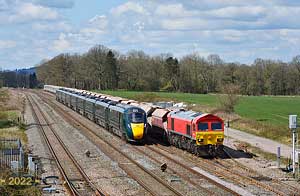
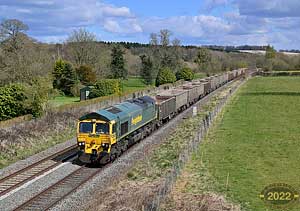
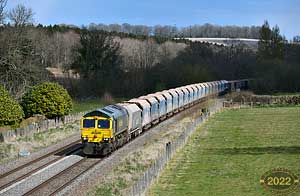
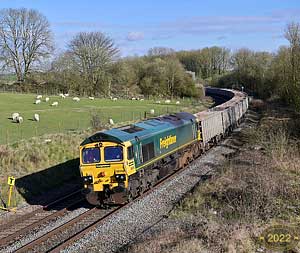
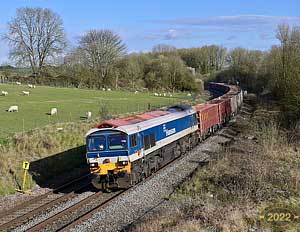
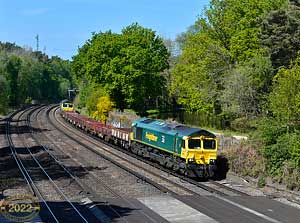
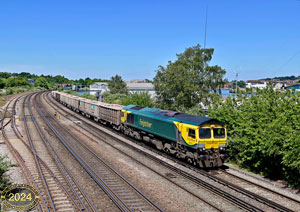
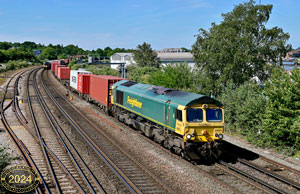
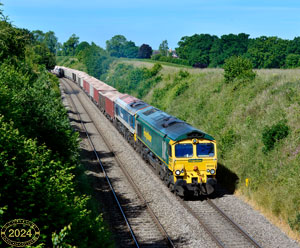
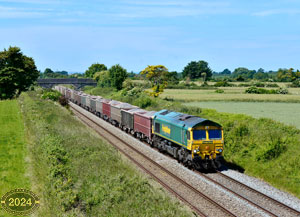
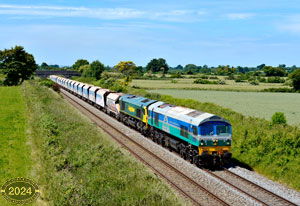
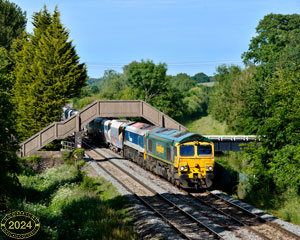
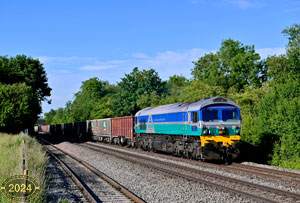
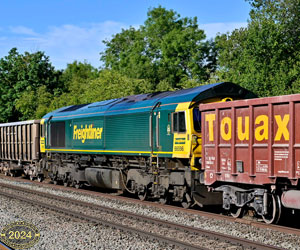
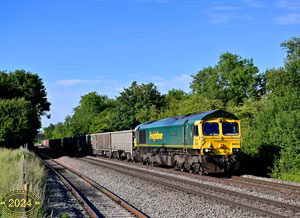
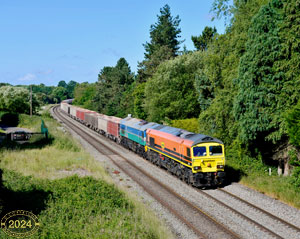
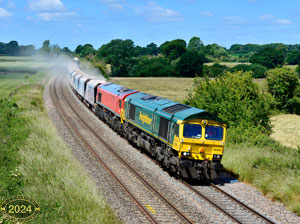
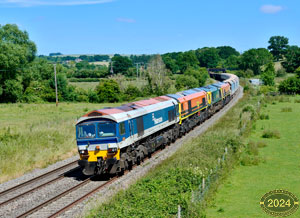
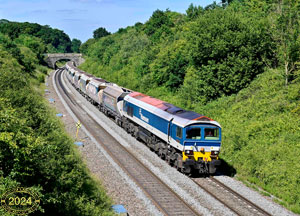
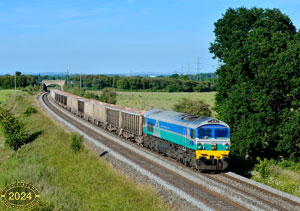
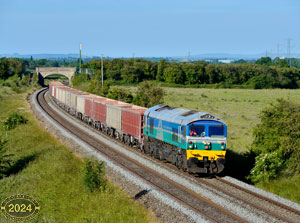
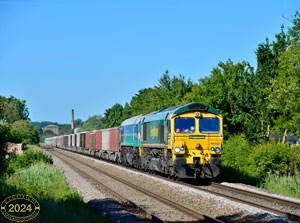
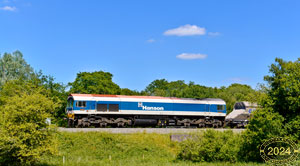
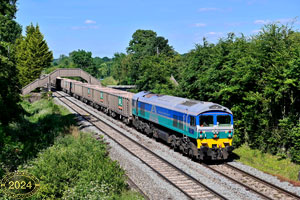
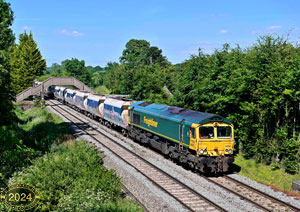
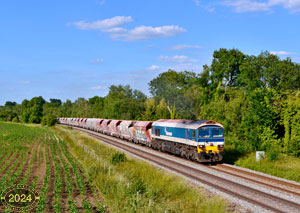
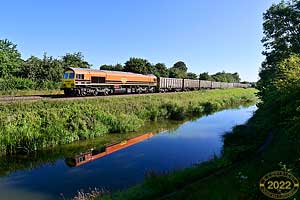
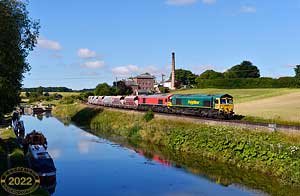
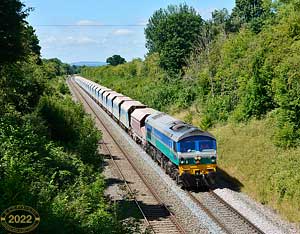
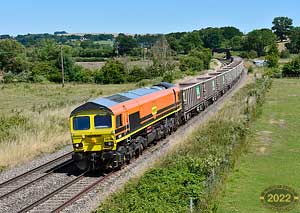
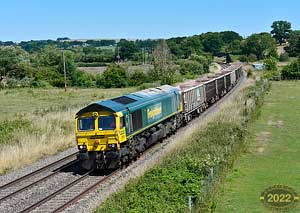
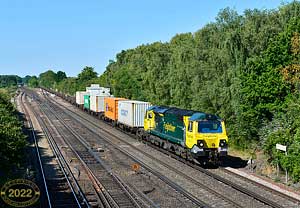
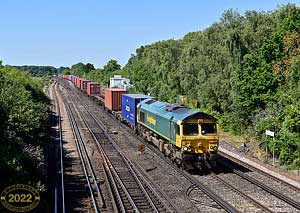
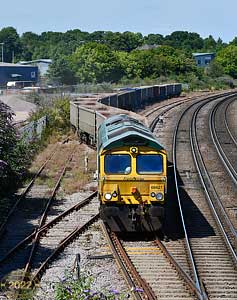
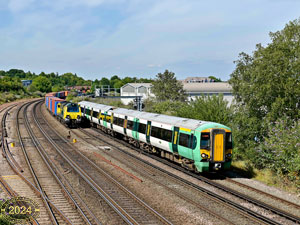
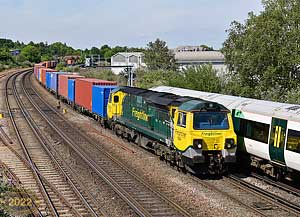
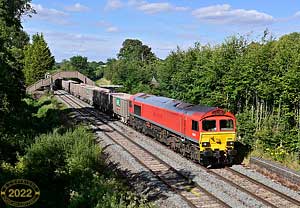
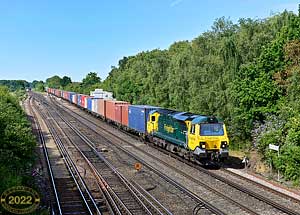
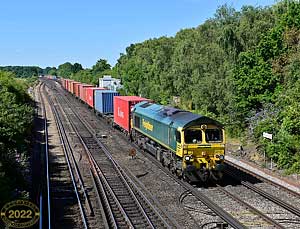
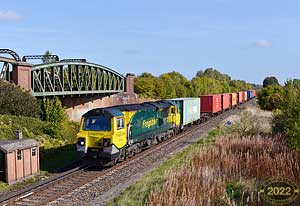
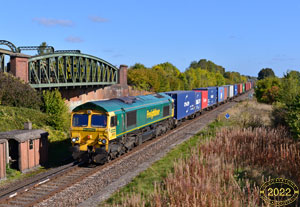
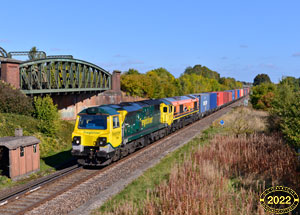
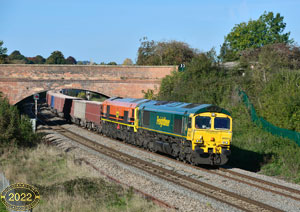
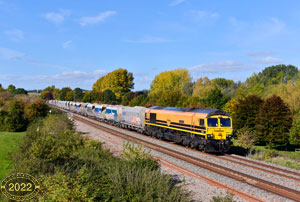
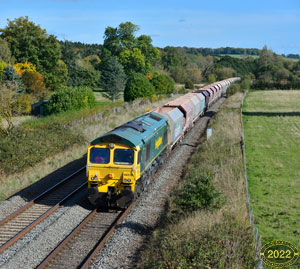
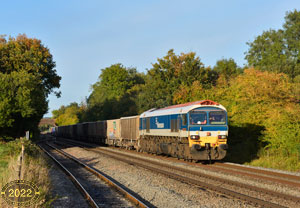
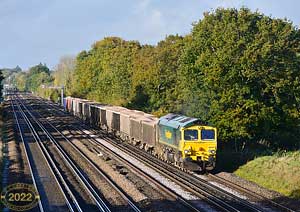
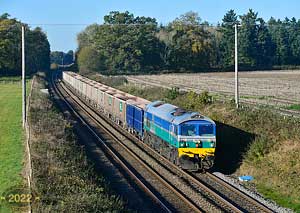
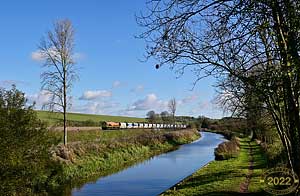
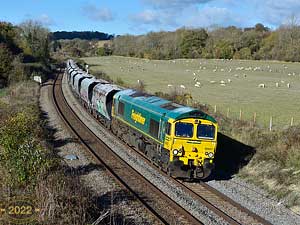
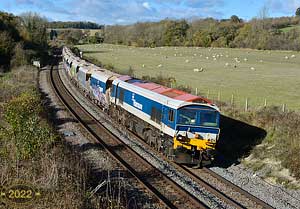
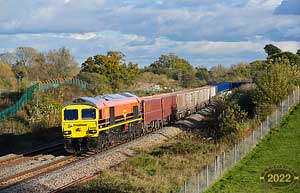
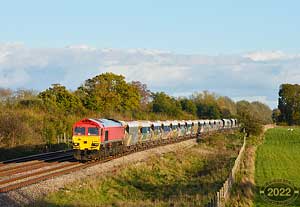
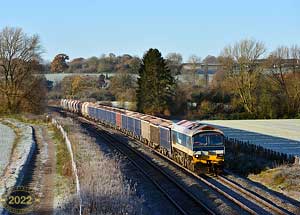
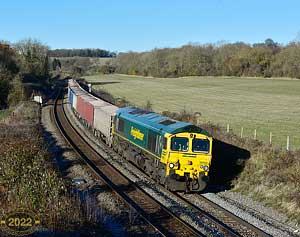
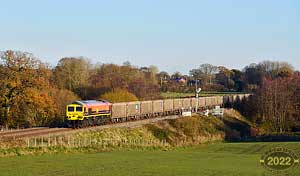
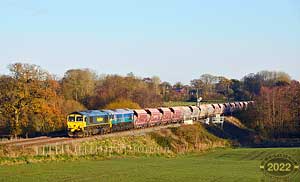
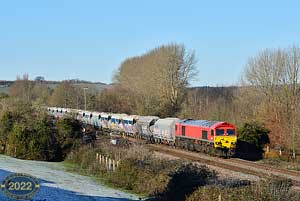
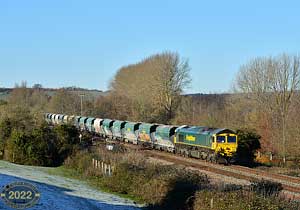
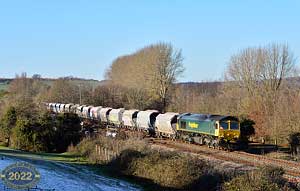
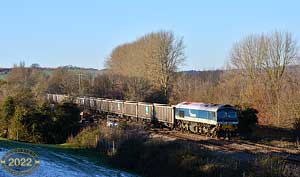
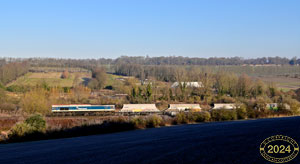
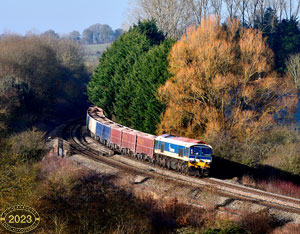
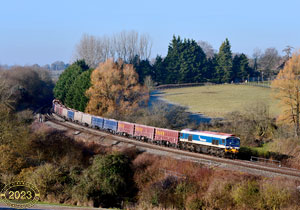
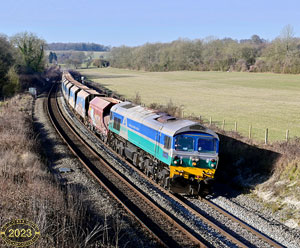
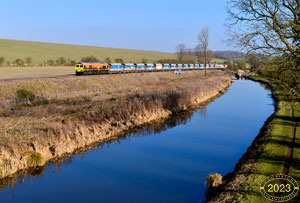
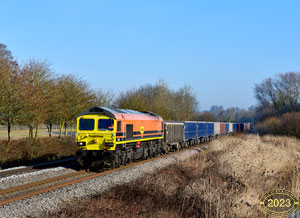
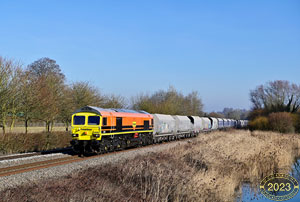
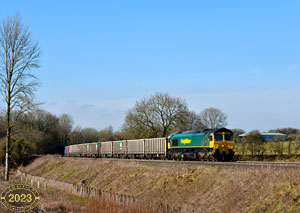
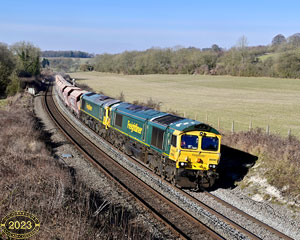
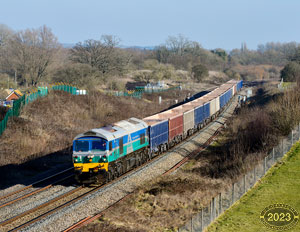
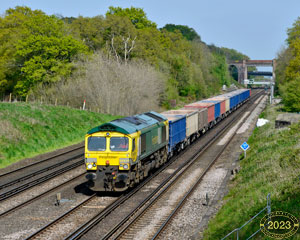
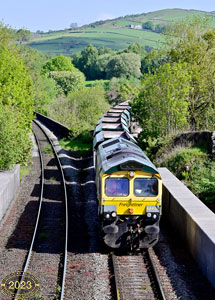
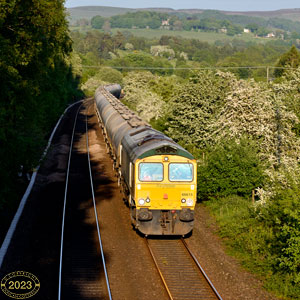
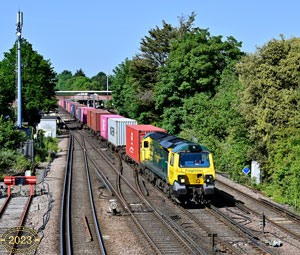
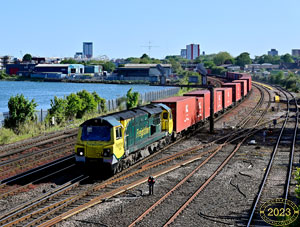
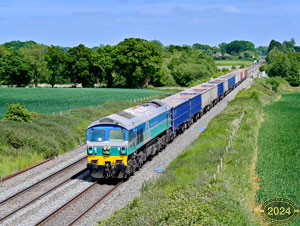
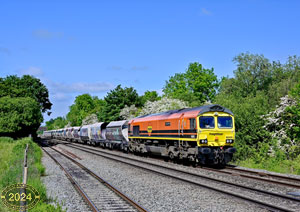
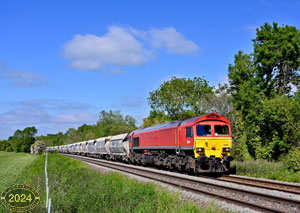
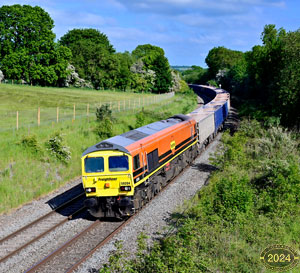
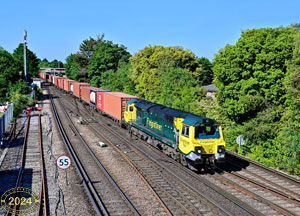
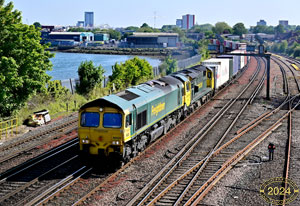
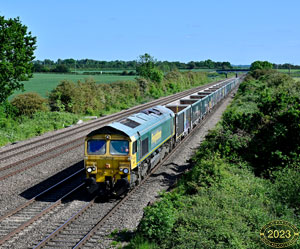
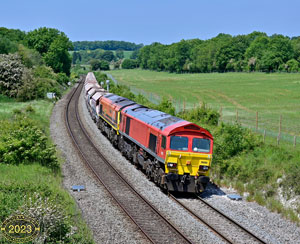
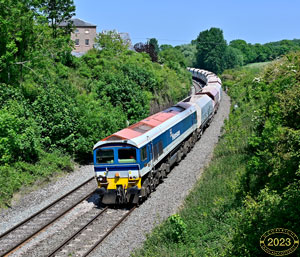
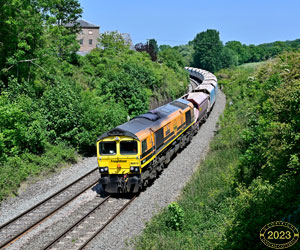
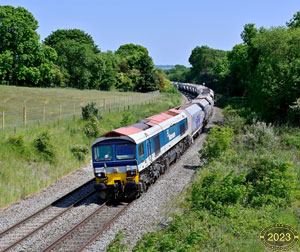
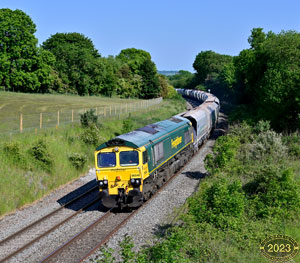
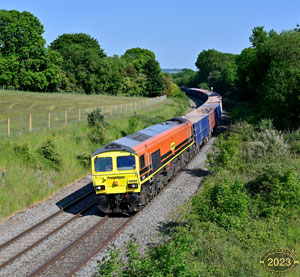
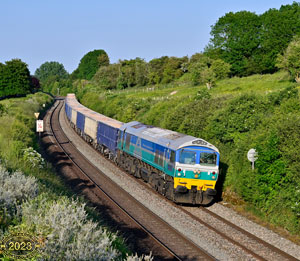
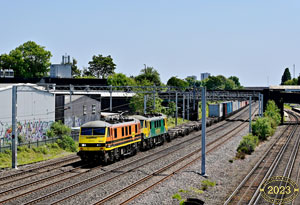
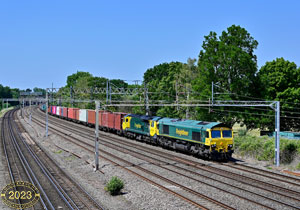
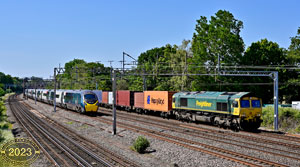
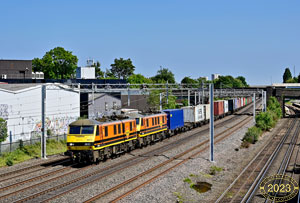
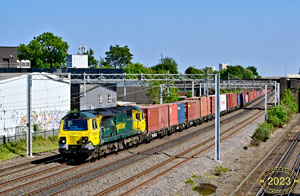
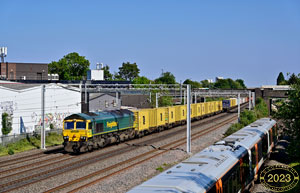
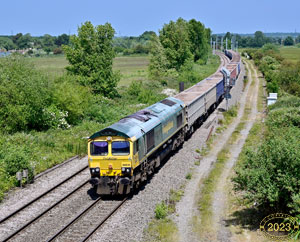
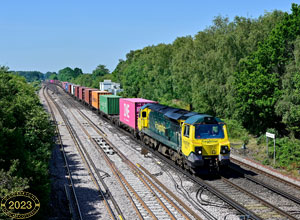
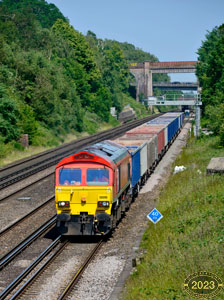
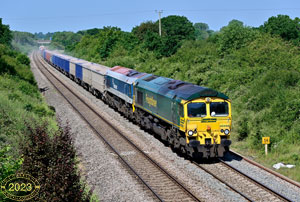
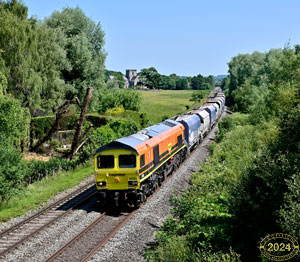
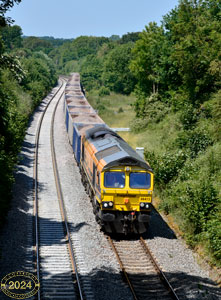
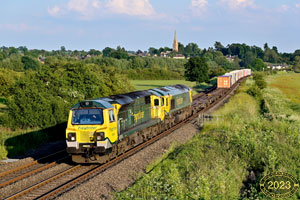
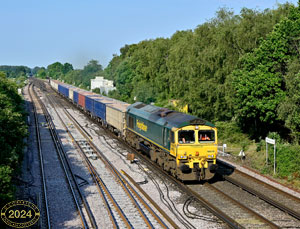
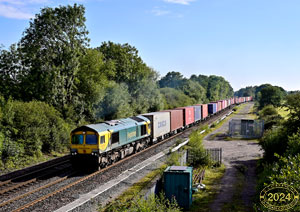
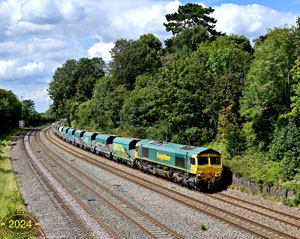
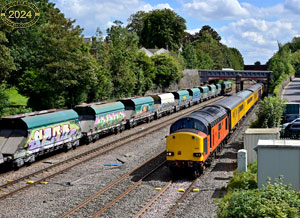
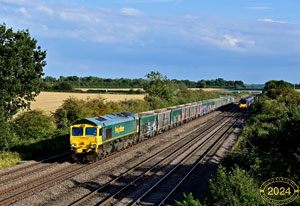
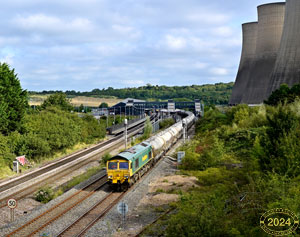
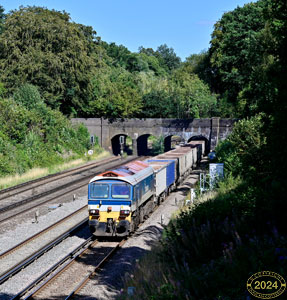
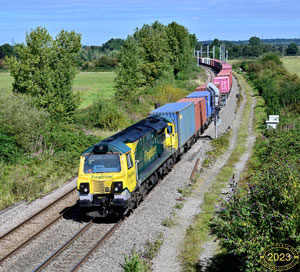
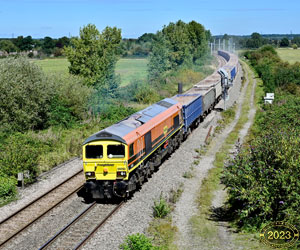
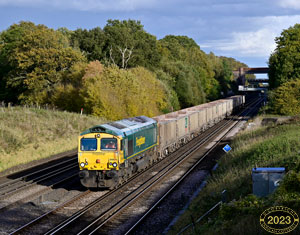
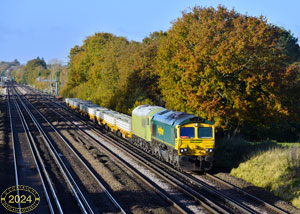
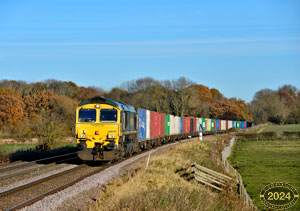
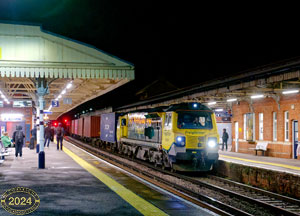
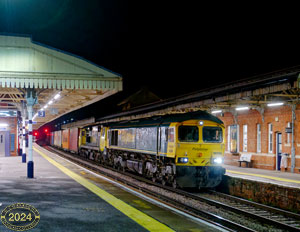
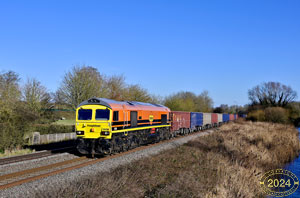
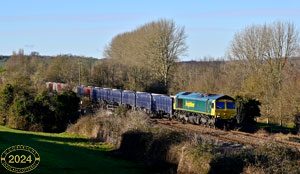
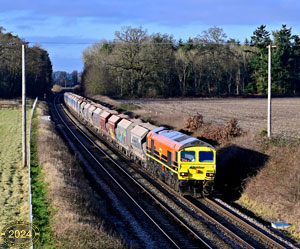
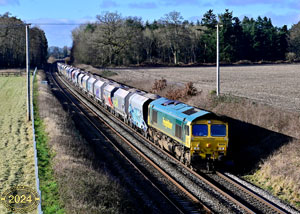
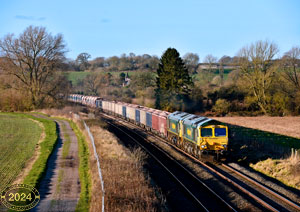
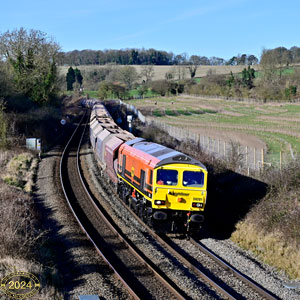
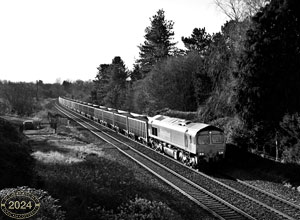
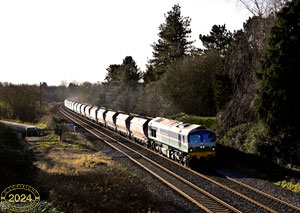
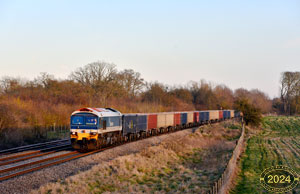
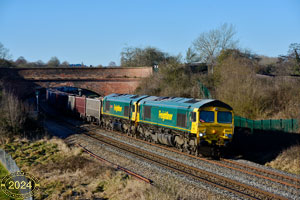
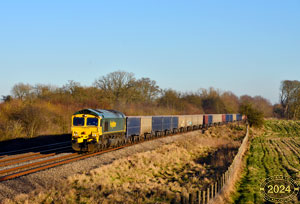
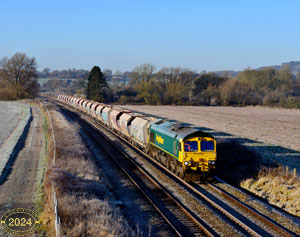
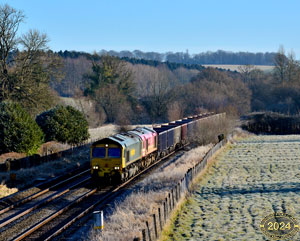
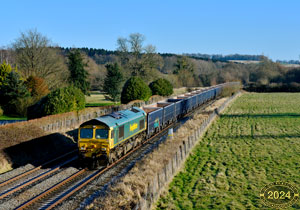
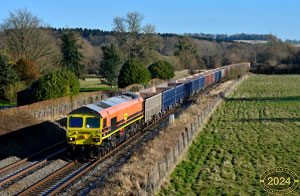
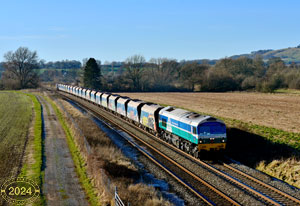
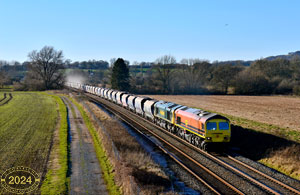
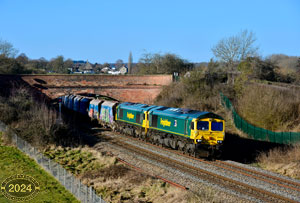
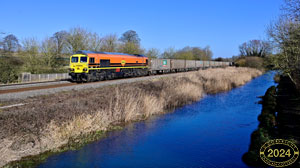
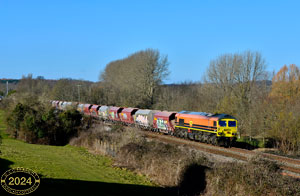
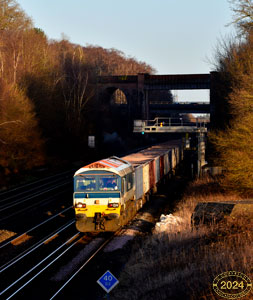
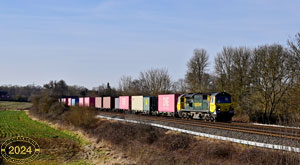

BR's intermodal activities were privatised in 1996 and retained the Freightliner name. The company has since expanded to become the UK's largest freight operator. The loco fleet consists largely of Class 66 diesels but there are also Class 70 diesels and Class 90 electrics.
In an effort to modernise its loss making wagonload freight activities in the 1960s, British Railways set up a network of container services linking major cities in Britain under the name Freightliner. The idea was that slow and inefficient pick-up goods trains could be dispensed with and uneconomic lines closed. Goods would be containerised and moved to the local Freightliner terminal by road instead. To some extent the plan worked but once the container was loaded and on the lorry, many shippers preferred to drive it straight to its final destination. Gradually the market evolved and many of the smaller terminals closed, with flows between the ports and big cities taking over from purely domestic routes.
Freightliner is still Britain's principal operator of container trains with a network of services linking the ports with major urban and distribution centres. Felixtowe generates most traffic followed by Southampton, with other ports such as Tilbury and London Gateway some way behind. The rise of the centralised rail-connected distribution centre, particularly in the Midlands, has seen the greatest growth in traffic in recent years with places like Daventry IRFT, Birch Coppice and East Midlands Gateway generating enough traffic to justify their own trains.
After privatisation Freightliner expanded into the power station coal market under the Heavy Haul banner and acquired a batch of low-geared Class 66 for the most demanding duties. Heavy Haul also moved into the construction sector, handling cement and aggregates.
Since the decline of coal-fired generation, the company has greatly expanded it's presence in the aggregates sector, working much of the stone traffic from the big quarries around Buxton and in the Mendips. Like all the other freight operators, it also works departmental trains in conjunction with Network Rail engineering work.
Freightliner entered the privatised world with a fleet largely composed of Class 47 diesels, with 30 Class 86 and 10 Class 90 electrics as well. In an effort to improve reliability a dozen Class 47s were rebuilt with 12 cylinder EMD 645 series engines from 1998, becoming class 57/0. More conversions were planned but in the event new Class 66 were ordered instead, quickly replacing the remaining Class 47s and, by the time the last batch was recieved in 2008, displacing the class 57s as well.
Freightliner's next move came as a surprise. It went to GM's greatest competitor, GE, (not to be confused with GEC, a British company) and ordered 30 locos of a new design fitted with a Jenbacher developed diesel engine unproven in railway service. The class 70 is 15% more powerful than the Class 66, with better fuel efficiency and higher tractive effort. In the event only 20 were delivered to Freightliner with Colas taking the remaining 10. The Class 70s haven't been an unqualified success with many of Freightliner's locos spending long periods in store. Those that are in traffic tend to work container trains to/from Southampton, with one loco often working stone from Tunstead.
Freightliner's Class 86 and 90 electrics continued to work a proportion of container traffic on the West Coast Main Line and, after the North London Line was electrified, through to Ipswich, en route to Felixtowe. The electrics were underemployed and the 86s gradually fell by the wayside with 20 still in traffic at the beginning of 2008 and 16 in 2018. After Greater Anglia dispensed with its Class 90s in 2020, Freightliner acquired 13 of them and retired the last of its Class 86s, which were by then over 50 years old. The Class 90s continue to work trains over the WCML and on to Ipswich but many trains that could sensibly be electrically hauled for most of their journey continue to be worked by diesels.
Freightliner is still Britain's principal operator of container trains with a network of services linking the ports with major urban and distribution centres. Felixtowe generates most traffic followed by Southampton, with other ports such as Tilbury and London Gateway some way behind. The rise of the centralised rail-connected distribution centre, particularly in the Midlands, has seen the greatest growth in traffic in recent years with places like Daventry IRFT, Birch Coppice and East Midlands Gateway generating enough traffic to justify their own trains.
After privatisation Freightliner expanded into the power station coal market under the Heavy Haul banner and acquired a batch of low-geared Class 66 for the most demanding duties. Heavy Haul also moved into the construction sector, handling cement and aggregates.
Since the decline of coal-fired generation, the company has greatly expanded it's presence in the aggregates sector, working much of the stone traffic from the big quarries around Buxton and in the Mendips. Like all the other freight operators, it also works departmental trains in conjunction with Network Rail engineering work.
Freightliner entered the privatised world with a fleet largely composed of Class 47 diesels, with 30 Class 86 and 10 Class 90 electrics as well. In an effort to improve reliability a dozen Class 47s were rebuilt with 12 cylinder EMD 645 series engines from 1998, becoming class 57/0. More conversions were planned but in the event new Class 66 were ordered instead, quickly replacing the remaining Class 47s and, by the time the last batch was recieved in 2008, displacing the class 57s as well.
Freightliner's next move came as a surprise. It went to GM's greatest competitor, GE, (not to be confused with GEC, a British company) and ordered 30 locos of a new design fitted with a Jenbacher developed diesel engine unproven in railway service. The class 70 is 15% more powerful than the Class 66, with better fuel efficiency and higher tractive effort. In the event only 20 were delivered to Freightliner with Colas taking the remaining 10. The Class 70s haven't been an unqualified success with many of Freightliner's locos spending long periods in store. Those that are in traffic tend to work container trains to/from Southampton, with one loco often working stone from Tunstead.
Freightliner's Class 86 and 90 electrics continued to work a proportion of container traffic on the West Coast Main Line and, after the North London Line was electrified, through to Ipswich, en route to Felixtowe. The electrics were underemployed and the 86s gradually fell by the wayside with 20 still in traffic at the beginning of 2008 and 16 in 2018. After Greater Anglia dispensed with its Class 90s in 2020, Freightliner acquired 13 of them and retired the last of its Class 86s, which were by then over 50 years old. The Class 90s continue to work trains over the WCML and on to Ipswich but many trains that could sensibly be electrically hauled for most of their journey continue to be worked by diesels.