Railography : Trip Reports
29/03/20 20:30
The 12 most recent reports can be accessed directly from this page.
Older reports are available by clicking the links listed under Report Categories above.
China : Nov/Dec 2019
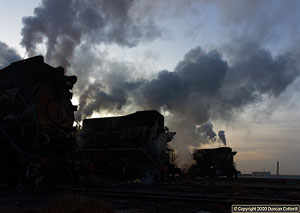
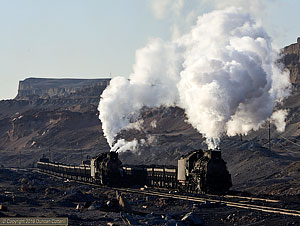
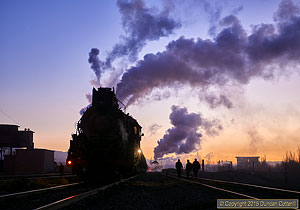
The report from my latest trip to China in late 2019, only 3 months late this time. Once again the destination was the opencast coal mine at Sandaoling, just about the only place where real working steam locomotives can be seen these days.
go to Sandaoling Soldiers On reportChina : Nov/Dec 2018
09/10/19 17:32 |
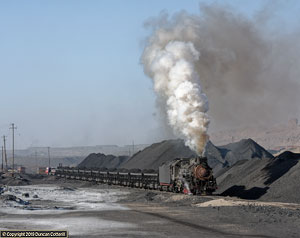
China | 2018 | SteamAnother very late report from a trip to China, this time in November and December 2018, so less than a year late! This time the visit was just to the steam worked mining railway at Sandaoling.
go to Another Fling to Sandaoling reportChina : Nov/Dec 2017
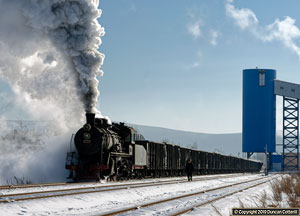
Very late but hopefully still of interest to some. This report dates from a trip to China in late 2017, visiting the mining systems at Wujiu and Sandaoling, both of which feature working steam, and including some observations of the current main line scene, principally around Beijing.
go to Steam, Snow and Sand reportGermany : Apr/May 2017
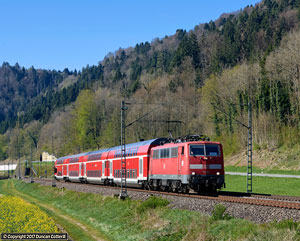
A two week trip to southern Germany in late April and early May 2017. There was a new class to photograph on a line I knew well, a busy scenic line that had been explored by train and on Google Earth but not yet photographed and a last chance to visit a busy diesel worked route before the classic locos are replaced by bland new traction. As the title suggests it wasn’t as easy a trip as it should have been.
go to Bad Weather in Baden Württemberg report Germany : February 2017
08/03/17 15:05 |
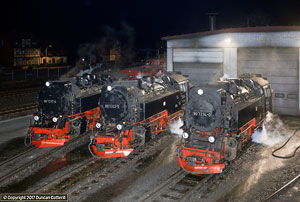
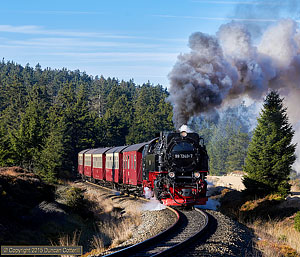
Germany | 2017 | Steam | ElectricsThe Harzer Schmalspurbahnen operates a 140km network of metre gauge lines in western Sachsen-Anhalt and uses steam locos on many of its trains. The line retains the feel of a working steam railway and runs through attractive scenery with steep banks that make the locos work for their living. I was there for a week in February 2017 and spent some time photographing electrics on freight around Hannover and Bremen at the beginning and end of the trip.
go to Hannover and the Harz report China : Nov/Dec 2016
The steam age is rapidly coming to an end in China but, even at the end of 2016, there was just enough activity to justify another visit. This report covers a three week trip in November and early December to see the SY Class 2-8-2s on the mining railways at Pingzhuang and Wujiu and the JS Class 2-8-2s in the opencast mine at Sandaoling. Observations of diesel and electric locos on the national system and industrial lines are included as well.
go to The End Of The Line? reportSwitzerland : August 2016
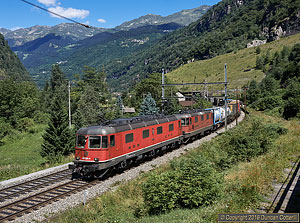
A final visit to the Gotthard, one of Europe's great mountain main lines, in August 2016 before traffic is syphoned off into the new base tunnel. The report covers passenger and freight services, the latter operated by SBB and several foreign or independent operators. Naturally in Switzerland, electric traction prevailed but diesels were not entirely absent.
go to Farewell To The Gotthard reportGermany : Apr/May 2016
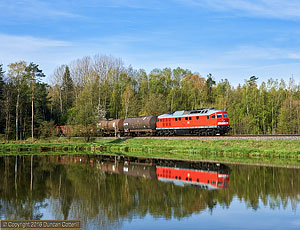
The temporary closure of the electrified main line north of Bamberg and the diversion of freights via the diesel worked Hof - Marktredwitz - Nürnberg route provided the excuse I needed for another trip to these photogenic lines in north-eastern Bavaria. As well as Ludmillas on main line freights, class 294s were seen on china clay traffic on the Amberg - Hirschau branch and a few locos belonging to independents appeared as well. Passenger trains weren’t ignored entirely with the ALEX class 223s photographed between Weiden and Hof. Time was also spent capturing the soon to disappear class 143s on the Reichenbach - Hof line and class 111s and 183s between Regensburg and Landshut.
go to Going Round In Circles reportChina : Nov/Dec 2015
Real working steam locos are becoming very hard to find, even in China, but two of the remaining operations are still exceptionally good. This report covers a 3 week trip based around visits to the steam worked mining railways at Fuxin and Sandaoling in November and December 2015. The mining line at Pingzhuang and Fushun’s Old Steelworks were also visited, with mixed results. The report includes observations on the main line, all diesel or electric these days.
go to Steaming On report Germany October 2015
28/10/15 21:30 |
Germany | 2015 | SteamHarzer Schmalspurbahnen operates a 140km network of metre gauge lines in the Harz Mountains, close to the former East-West German border, and uses steam locos on many trains, including the frequent services to the summit of the Brocken, the highest mountain in northern Germany. The railway became a magnet for tourists when the border between the two Germanys re-opened. That probably ensured its survival and transfer of ownership to a consortium of local authorities. Unlike many tourist operations, it still has the feel of a working railway and uses the same locos and rolling stock that worked the line in Deutsche Reichsbahn days. This report covers a seven day trip to the railway in October 2015 and also includes a lot of historical background information as well as details of what we saw during the trip.
go to Tanks On The Border reportGermany : September 2015
28/10/15 21:30 |
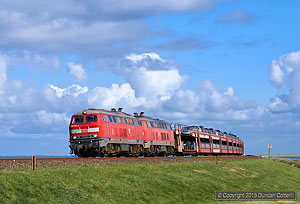
Germany | 2015 | DieselsDuring visits to the Marschbahn for diverted freights in the summers of 2014 and 2015 it became apparent that there was considerable photographic potential west of Niebüll, on the section of line that didn’t host any diverted freights. This report describes a ten day visit to the incredibly busy and entirely loco worked Niebüll - Westerland line in late September 2015. In addition to regional and InterCity passenger trains, the line is home to the SyltShuttle, a frequent service of car carrying trains linking the island of Sylt with the mainland.
go to Trains, Plains & Automobiles report Germany : Sept/Oct 2015
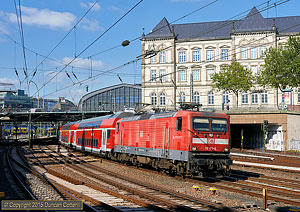
This report covers short visits to Hamburg and Hannover during September and October 2015. Hamburg still has a lot of loco hauled regional services, many of them worked by class 112 and 143 electrics, classes that are falling victim to the flood of new EMUs elsewhere. There’s less of passenger interest around Hannover, although the class 111 worked Braunschweig - Rheine trains are worth seeing. I had intended concentrating on the freights but poor weather caused a change of plan.
go to Hamburg and Hannover report